
Was ist Twillstoff? Eigenschaften, Herstellung, Verwendung
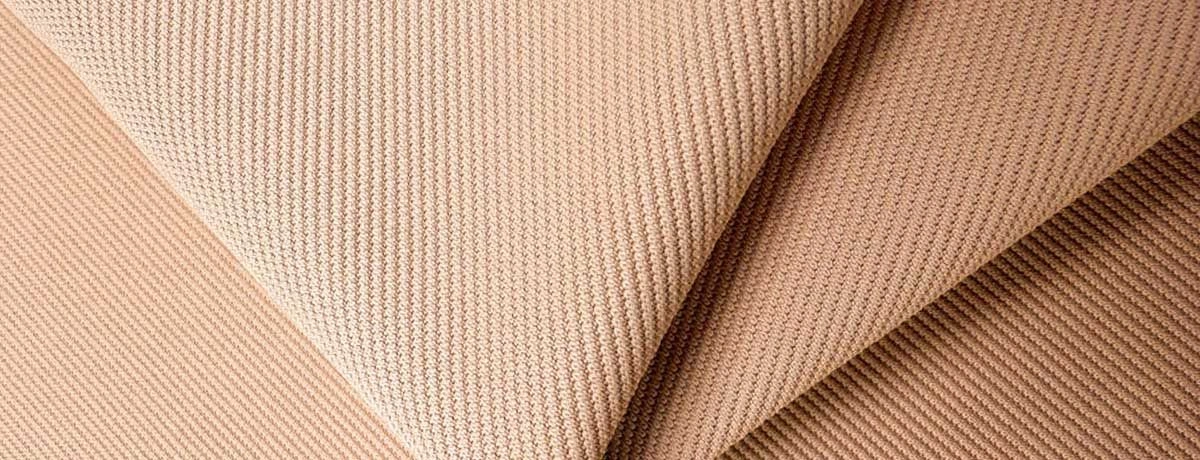
Twill-Gewebe findet sich in fast allen Kleidungsstücken und Büroartikeln wieder – doch die meisten Käufer kennen es nur von den Endprodukten. Jeans, Militäruniformen, Gabardineanzüge, Fischgrätblazer: alles aus Twill. Dieses Wachstum spiegelt etwas Grundlegendes wider: Die diagonale Webart des Twills löst echte Haltbarkeitsprobleme, die mit Leinwandbindung nicht zu bewältigen sind.
Dieser Leitfaden erklärt, was Köpergewebe ist, wie es hergestellt wird, welche Arten für welche Anwendungen geeignet sind und wie man es zuverlässig für die B2B-Produktion beziehen kann.
Wichtige Erkenntnisse
-
Die diagonale Webart von Köpergewebe übersteht mehr als 20,000 Martindale-Scheuerzyklen – einfache Baumwolle versagt schon vor 15,000.
-
Allein das Denim-Segment – ausschließlich Twill – erreichte im Jahr 2025 ein Volumen von 26.4 Milliarden US-Dollar und wächst mit einer durchschnittlichen jährlichen Wachstumsrate von 5.2 %.
-
Fünf Hauptarten (Denim, Chino, Gabardine, Fischgrätmuster, Diamantmuster) erfüllen jeweils unterschiedliche Anforderungen an Gewicht und Verwendungszweck.
-
Die Beschaffung im asiatisch-pazifischen Raum bietet die größte Auswahl; in Europa werden Aufpreise für zertifizierten nachhaltigen Köperstoff erzielt.
Was ist Köpergewebe?
Köpergewebe wird in Köperbindung gewebt – einer diagonalen Rippe, die durch das Verkreuzen von Schussfäden (horizontalen Garnen) über und unter Kettfäden (vertikalen Garnen) entsteht, wobei die Schuss- und Kettfäden versetzt angeordnet sind. Jede Reihe verschiebt den Verkreuzungspunkt um eine Position, wodurch das charakteristische diagonale Webmuster und die sichtbaren diagonalen Linien auf der Stoffoberfläche entstehen.
Die Diagonale ist nicht nur optisch, sondern auch strukturell. Die Flottierungsstruktur bietet den Garnen mehr Raum, Reibung und Belastungen aufzunehmen, als es bei einer einfachen Über-Unter-Bindung der Fall ist. Deshalb ist Köper ein strapazierfähiges Gewebe, das für robuste Artikel wie Jeans, Arbeitshosen, Militärkleidung und Polstermöbel verwendet wird.
Von Baumwoll-Twill Twill, ein Gewebe aus Polyester-Mischgeweben, deckt eine enorme Bandbreite an Gewichten, Materialien und Faserkombinationen ab. Die Fasern werden vor dem Weben zu Garn versponnen. Das Webmuster bleibt dabei konstant; lediglich die Faser, die Fadendichte und die Webfestigkeit variieren. Dies unterscheidet Twill von anderen Stoffen, bei denen sich die Grundstruktur durch eine Änderung des Faseranteils verändern kann.
Was macht Köpergewebe so strapazierfähig?
Abriebfestigkeit ist eines der charakteristischen Merkmale von Köpergewebe. Labortests bestätigen, dass Twill-Denim über 20,000 Martindale-Scheuerzyklen übersteht; gleichgewichtiger, glatter Baumwollstoff versagt bereits vor 15,000 Zyklen. Dieser Unterschied von über 30 % erklärt, warum Marken für Arbeitskleidung und Denim standardmäßig auf Twill setzen, wenn die Kleidungsstücke täglich starker Beanspruchung ausgesetzt sind.
Reißfestigkeit Die Fadenfolge basiert auf derselben Diagonalstruktur. Die Flottierung verteilt die Spannung auf mehrere Fäden, anstatt sie an einem einzigen Verkreuzungspunkt zu konzentrieren. Köpergewebe weisen eine um etwa 15 % höhere Reißfestigkeit auf als gleichgewichtige Leinwandgewebe.
Textur und Oberflächenbeschaffenheit. Die diagonale Rippung verleiht dem Köpergewebe eine weiche, strukturierte Oberfläche mit strapazierfähiger Optik – es wirkt hochwertiger als Leinwandbindung und ist weniger anfällig für Flecken oder Abnutzungsspuren. Dadurch eignet es sich ideal für Produkte, die nicht nur kurzzeitig, sondern dauerhaft gut aussehen sollen.
Drapierbarkeit. Twill ist ein vielseitiger, fließender Stoff. Durch die weiche Webstruktur fällt er schön, was besonders bei Kleidungsstücken wie Hosen und Vorhängen wichtig ist, wo Steifheit unerwünscht ist. Strapazierfähige Twillstoffe für Arbeitskleidung haben meist ein Flächengewicht von 240–350 g/m² – robust genug für Schutz und gleichzeitig leicht genug für ganztägigen Tragekomfort.
Atmungsaktivität. Trotz seiner dichten Webart bleibt Twill atmungsaktiv. Baumwoll- und Baumwollmischgewebe leiten Feuchtigkeit effektiv ab, weshalb sie in Sport- und Arbeitskleidung eingesetzt werden, wo Tragekomfort auch bei langen Schichten wichtig ist. Dies verleiht Twill zahlreiche Vorteile in Bekleidung und Heimtextilien.
Welche Arten von Köpergewebe gibt es?
Es gibt verschiedene Typen Es sind Köpergewebe erhältlich, die jeweils für unterschiedliche Verwendungszwecke geeignet sind.
Denim-Twill Denim ist die weltweit am häufigsten produzierte Köperstoffvariante. Der globale Markt für Denimstoffe erreichte 2025 ein Volumen von 26.4 Milliarden US-Dollar, mit einer jährlichen Produktion von über 7.5 Milliarden Metern weltweit. Typischerweise handelt es sich um einen 3/1-Baumwollköper, der mit Indigo gefärbt wird und für Jeans, Jacken und legere Arbeitskleidung verwendet wird. häufig Es wurden Köperbindungen verwendet. Baumwolle macht etwa 72 % der Denimfaserzusammensetzung aus; Polyester- und Elastanmischungen machen die restlichen 28 % aus.
Chino-Twill Es ist leichter und weicher – üblicherweise eine 2/1- oder 1/2-Webart aus gekämmter Baumwolle oder einem Baumwoll-Synthetik-Gemisch. Das Gewicht liegt typischerweise zwischen 180 und 240 g/m², was es zur richtigen Wahl für gehobene Freizeitkleidung macht. HoseShorts und Uniformen, bei denen ein gepflegtes Erscheinungsbild wichtiger ist als ein robuster Schutz.
Gabardine-Köper Es wird in einer dichten 2/2- oder 3/1-Webart aus Wolle oder Polyester hergestellt. Das Ergebnis ist eine glatte, diagonal gerippte Oberfläche mit natürlicher Wasserabweisung – ein Hauptgrund dafür, dass es der Standard für Anzüge, Mäntel und Oberbekleidung ist. Hochwertige Varianten können auch aus anderen Materialien gewebt werden. Seide, während polyesterreiche Varianten expliziter sind wasserdichtHochwertiger Gabardine ist eine der wenigen Köpergewebevarianten, die einen höheren Preis erzielt als vergleichbare Stoffe in Leinwandbindung.
Fischgrät-Köper Die Diagonalrichtung wird in regelmäßigen Abständen umgekehrt, wodurch ein Chevron-Muster (V-förmig) entsteht. Traditionell handelt es sich um einen Woll- oder Wollmischstoff, der in der Schneiderei – Anzüge, Jacken und Mäntel – verwendet wird. Varianten wie Kavallerie-Köper Verwenden Sie einen stärker ausgeprägten Diagonaleffekt. Das Muster verleiht optische Tiefe, ohne aufzutragen.
Diamantköper Durch ein komplexeres Hebeverfahren entsteht ein rauten- oder rautenförmiges Muster auf der Oberfläche. Es findet sich häufig bei Arbeitskleidung, taktischen Uniformen und Funktionskleidung, wo sowohl Strapazierfähigkeit als auch eine unverwechselbare Optik wichtig sind. Neben Leinwandbindung, Köperbindung und Satin gehören zu den Originaltypen der wichtigsten Webstrukturen, während Satin wird eher als kontrastierende denn als diagonale Struktur verwendet.
Wie unterscheidet sich Köpergewebe von Leinwandgewebe?
Leinwandbindung und Köperbindung sind die beiden vorherrschenden Textilkonstruktionen, und die Unterschiede in ihren Eigenschaften sind real und nicht nur kosmetischer Natur. Eine hohe Fadendichte kann Köpergewebe zudem blickdichter und robuster machen als leichtere Leinwandbindungen.
|
Eigenschaft |
Twill-Gewebe |
Leinwandbindung |
|---|---|---|
|
Abriebfestigkeit |
Über 20,000 Martindale-Zyklen |
Unter 15,000 Zyklen |
|
Reißfestigkeit |
~15 % höher |
Baseline |
|
Oberflächentextur |
Diagonale Rippe mit diagonalem Muster, dimensional |
Flaches, glattes, geradliniges Aussehen |
|
Drapierbarkeit |
Gut – Schwimmer ermöglichen Bewegung |
Steifer |
|
Sichtbarkeit des Flecks |
Unten (diagonal verdeckt Oberflächenabnutzung) |
Höher |
|
Typische Anwendungen |
Denim, Arbeitskleidung, Anzüge, Polsterstoffe |
Hemden, Kleider, Futterstoffe, leichte Bekleidung |
|
Kosten |
Etwas höher pro Meter |
Senken |
Leinwandbindung eignet sich für kostenbewusste Produktkategorien und leichte Kleidungsstücke, bei denen Weichheit und Blickdichtigkeit wichtiger sind als Strapazierfähigkeit – ein sinnvoller Kontrast zur markanteren, griffigeren Köperbindung. Köperbindung rechtfertigt ihren höheren Preis überall dort, wo Abriebfestigkeit, Struktur oder Langlebigkeit den Mehrpreis pro Meter rechtfertigen.
Wo wird Köpergewebe verwendet?
Bekleidungsherstellung Denim ist der größte Verwendungszweck. Allein Jeans machen etwa 68 % der gesamten Denim-Stoffproduktion aus. Gabardine und Chino-Twill werden unter anderem für Anzüge, elegante Freizeithosen und Uniformprogramme im Unternehmens- und Gastgewerbebereich verwendet. textile ProdukteLeichte Twillstoffe finden sich in Blusen und Kleidern wieder, bei denen der Fall wichtig ist; Käufer wählen sie häufig aus. verschiedenen Farben dem jeweiligen Verwendungszweck entsprechend.
Arbeitskleidung und Uniformen Für Schutzkleidung wird fast ausschließlich Köpergewebe verwendet. TC 65/35 Köpergewebe Die Kollektion vereint Waschbeständigkeit, Tragekomfort und die ISO-Normen für Arbeitskleidung. Aus diesem Grund wird Twill von Kunden aus den Bereichen Logistik, Bauwesen, Fertigung und dem öffentlichen Sektor bevorzugt.
Heimtextilien Profitieren Sie von der Kombination aus strapazierfähiger Oberfläche und schönem Fall des Köpergewebes. Polsterköper hält dem täglichen Gebrauch auf Sofas und Stühlen stand. Köpervorhänge fallen sauber und verdunkeln effektiv. Er eignet sich auch gut für VorhängeTwill-Bettwäsche fühlt sich wärmer und strukturierter an als herkömmliche Perkal-Leinwandbindung. Sie wird auch verwendet für BlätterKöperköper ist eine praktische Wahl für Tischdecken ebenso und höherwertiger Polyester T/C 80/20 Köpergewebe werden häufig dort eingesetzt, wo Farberhaltung und häufiges industrielles Waschen Priorität haben.
Taschen und Accessoires. Canvas-Taschen und -Rucksäcke bestehen häufig aus einem robusten Baumwollköper (400–600 g/m²). Die Abriebfestigkeit, die Arbeitshosen schützt, kommt auch Riemen, Böden und Ecken zugute.
Fahrzeuginnenausstattungen. Polyester-Twill ist eines von mehreren synthetische Stoffe wird für Sitzbezüge, Dachhimmel und Türverkleidungen verwendet, insbesondere wenn eine wasserbeständigere Oberfläche erforderlich ist. TR Polyester-Viskose-Gewebe Twillstoffe finden auch Anwendung in der Innenausstattung und bei Uniformen, wo Strapazierfähigkeit und ein leichter Glanz gefragt sind. Der Automobilsektor des Twill-Marktes wird auf rund 2 Milliarden US-Dollar geschätzt, angetrieben durch die Nachfrage der Erstausrüster nach strapazierfähigen, formstabilen Textilien.
Wie pflegt man Köperstoff?
Twill-Gewebe ist relativ pflegeleicht, aber einige Details machen einen großen Unterschied für die langfristige Leistungsfähigkeit.
Wäsche: Maschinenwäsche kalt (30 °C oder darunter). Heißes Wasser beschleunigt das Ausbleichen von Denim und Baumwollköper und kann bei unbehandelten Stoffen zum Einlaufen führen. Verwenden Sie ein Feinwaschmittel – aggressive alkalische Waschmittel schädigen die Baumwollfasern mit der Zeit.
Trocknung: Bei niedriger Temperatur im Trockner trocknen oder an der Luft trocknen lassen. Hohe Temperaturen schwächen die diagonale Webstruktur und können bei unbehandeltem Baumwolltwill beim ersten Waschen zu einem Einlaufen von bis zu 5–8 % führen – dies muss bei der Erstellung von Schnittmustern für die Konfektionierung berücksichtigt werden.
Bügeln: Niedrige bis mittlere Hitze. Dampf ist im Allgemeinen unbedenklich. Gabardine und Wollmischgewebe sollten mit einem feuchten Tuch zwischen Bügeleisen und Stoff gebügelt werden, um ein Verflachen des Flors zu vermeiden.
Lagerung: Kühl, trocken und vor längerer direkter Sonneneinstrahlung geschützt lagern. UV-Strahlung lässt gefärbten Köperstoff ausbleichen und zersetzt synthetische Fasern mit der Zeit. Zur Langzeitlagerung in säurefreies Papier oder Baumwollmusselin einwickeln.
Häufig gestellte Fragen
Worin besteht der Unterschied zwischen Köpergewebe und Leinwandbindung? Köpergewebe verwendet ein versetztes Verkreuzungsmuster, das eine diagonale Rippe erzeugt; Leinwandbindung hingegen verkreuzt Kette und Schuss in einer einfachen Über-Unter-Sequenz. Das Ergebnis: Köpergewebe bietet eine höhere Abrieb- und Reißfestigkeit (über 20,000 gegenüber unter 15,000 Martindale-Zyklen), einen besseren Fall und eine plastische Oberflächenstruktur. Leinwandbindung ist günstiger und eignet sich gut für leichte Bekleidung, bei der Strapazierfähigkeit nicht im Vordergrund steht.
Ist Köpergewebe für Outdoor- und Arbeitskleidung geeignet? Ja. Baumwoll-Polyester-Twill im Bereich von 240–350 g/m² ist weltweit Standard für professionelle Arbeitskleidung. Seine Abriebfestigkeit, Formstabilität nach dem Waschen und sein Feuchtigkeitsmanagement machen ihn zur Standardspezifikation für Uniformen in Logistik, Bauwesen und Fertigung. Für den Einsatz im Freien bietet Gabardine-Twill dank seiner natürlichen Wasserabweisung zusätzlichen Wetterschutz. Die Wahl der Faser beeinflusst zudem die Umweltverträglichkeit und die Leistungsfähigkeit.
Wie erkenne ich echten Köperstoff? Halten Sie den Stoff schräg und achten Sie auf eine deutliche diagonale Rippe, die in einem Winkel von etwa 45 Grad über die Vorderseite verläuft. Bei manchen Köpergeweben sind auch mehr Schussfäden auf der Oberfläche sichtbar, wodurch die Rippe weniger deutlich hervortritt. Die Diagonale sollte gleichmäßig und regelmäßig verlaufen. Ist die Oberfläche glatt und weist ein schachbrettartiges Muster auf, handelt es sich um Leinwandbindung. Ändert die Diagonale ihre Richtung in einem V-förmigen Muster, ist es Fischgratköper.
Auf welche Zertifizierungen sollte ich beim Kauf von Köpergewebe achten? Für Bio-Baumwoll-Twill: GOTS (Global Organic Textile Standard). Für Recyclinganteil: GRS (Global Recycled Standard). Für allgemeine Chemikaliensicherheit: OEKO-TEX Standard 100. Für verantwortungsvolle Produktion: SA8000 oder WRAP. Fragen Sie Lieferanten immer nach den tatsächlichen Zertifikatsnummern – nicht nur nach Angaben – und überprüfen Sie diese im Online-Register der ausstellenden Stelle. Beim Vergleich von Baumwoll- und Synthetikstoffen fragen Sie nach Herkunft und Verarbeitung des Stoffes, da die Herstellungsmethode die Umweltbelastung erheblich beeinflussen kann.
Fazit
Twillgewebe hat sich in vielen Branchen bewährt, weil es echte Probleme mit der Haltbarkeit löst, die Leinwandbindung nicht bewältigen kann. Die diagonale Webstruktur vereint Abriebfestigkeit, Reißfestigkeit und einen eleganten Fall – weshalb es gleichermaßen für Denim, Arbeitskleidung, Polstermöbel und Anzüge verwendet wird.
Suchen Sie nach Köpergeweben für Ihre nächste Produktionscharge? Durchstöbern Sie unser gesamtes Stoffsortiment oder kontaktieren Sie uns, um Spezifikationen, Zertifizierungen und Lieferzeiten zu besprechen.